What is the difference between an island and a continent?
A continent is a large land mass, meaning its is HUGE.
When does a peninsula become a cape?
UM i donno
What is a liquid isthmus?
i donno
Why is there a mid atlantic ridge?
its a mountain range that was caused by tetonic plates pushing each other
How deep is the deepest deep sea trench?
Mariana Trench: 10,916 meters deep
Who was the first family to go to the bottom of the sea, and the top of the atmosphere?
I donno
Does every river create a delta?
probably..
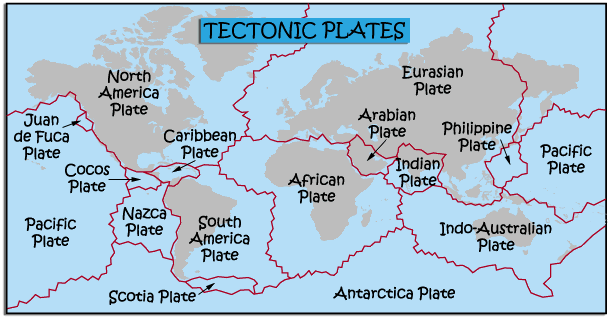
What tectonic plate does Vancouver sit on?
Juan de Fuca plate DUHH
what is the closest volcano to Churchill School? it might be dormant?
not sure..
which single land mass is divided into two continents and one sub continent?
North America, Central America, South America
Are there any fresh water oceans?
i donno.
Bonus Questions For Google Earth
Thursday, June 07, 2007Chapter 7: India, China, and Japan
Monday, May 28, 2007Chapter 7 Section 1 Review
1. Identify: Delhi sultanate, Tamerlane, Urdu, Babur, Akbar, Taj Mahal, Vasco Da Gama
Delhi sultanate – The empire built by Muslim rulers who established a capital at Delhi, and included most of India
Tamerlane: The leader of the Mongols who overran northern India
Urdu: a combination of Persian and Hindi written in Arabic script
Babur: the leader of the second time the Mongols invaded India.
Akbar: the grandson of Babur who tried to unify the empire by following a policy of religious toleration.
Taj Mahal
Vasco Da Gama
2. Define: sultan, purdah
Sultan : people who organized a government that resembled those of the Maurya and Gupta empires.
Purdah: the practice of secluding women
3. Describe two advantages Muslim invaders had over Hindu forces
The Muslims rode on horses while the Hindu cavalry rode on elephants. The Muslims troops were extremely well-disciplined.
4. List three differences between Hinduism and Islam
Islam- one god, Muslims: multiple gods
Muslims- equality of all believers before god, Islam – caste system bas on inequality
Islam – strict obedience to laws of the Koran, Hinduism – tolerated many beliefs
5. What attitude did Akbar take toward Hindus?
Akbar appointed Hindus to high office, forbade the destruction of Hindu temples, and lifted the nonbeliever tax.
6. How did the Mogul emperor react to the activities of Christian missionaries?
He sent armies to end their activities.
Chapter 7 Section 2 Review
1. Identify: Diamond Sutra, Li Po
Diamond Sutra – The first printed text: it is a Buddhist text
Li Po – a famous poet during the T’ang dynasty who was a Taoist
2.
a. In theory, who could qualify for the Chinese civil service?
In theory, anyone could qualify for the civil service.
b. In practice, who usually entered the civil service?
Sons of officials or wealthy merchants usually entered since they were the only ones who could pay for the expensive education needed.
3.
a. Describe block printing
The Chinese carved characters onto wooden blocks that were inked and pressed onto paper.
b. Who probably developed block printing? Why?
Monks probably invented block printing from inventions such as paper and use of stamps.
4. What subjects interested T’ang and Sun poets and artists?
They were interested in human emotions, nature, and one’s place in the universe.
5. How did footbinding affect Chinese women?
They crippled women very much.
Chapter 7 Section 3 Review
1. Identify: Kublai Khan, Marco Polo, Cheng Ho.
Kublai Khan – a grandson of Genghis Khan who completed the conquest of China and established the first foreign dynasty in China
Marco Polo – one of the foreigners who visited China and stayed to serve Kublai Khan
Cheng Ho – A Chinese admiral who assembled 63 ships, which carried over 27 000 sailors, soldiers, and civilians who traded, collected, tribute, and gathered information about sea routes.
2. How did Kublai Khan try to keep the Mongols from being absorbed by Chinese culture?
He tried to limit Chinese influence on the Mongols by setting up a separate law code for Mongols and allowed only Mongol nobles and foreigners to serve at court.
3. What effect did the building of roads have on China?
It increase trade and travel.
4. Describe the Ming sea voyages
These voyages visited southeast Asia, India, Arabia, and East Africa and traded, collected tribute, and gathered information about sea routes.
5. What restrictions did the Ming put on Portuguese traders?
Ming first refused to let foreigners land, and then they were restricted to Macao. Afterwards, trading was restricted to only one city, Canton.
Chapter 7 Section 4 Review
1. Locate: Hokkaido, Honshu, Shikoku, Kyushu, Sea of Japan, Heian
Hokkaido – The northernmost region of Japan
Honshu - the largest region of Japan, in the middle
Shikoku - a little region tucked under Honshu
Kyushu - the southernmost region of Japan
Sea of Japan – the sea right between Korea and Japan
Heian – Kyoto!!!!
2. Identify: Shinto, Yamato, Lady Murasaki
Shinto – The Japanese religion
Yamato – The Japanese royal family
Lady Murasaki Shikibu – a great master of Japanese literature, wrote one of the world’s first novels
3. Define: archipelago, clan, kami
Archipelago – a chain of islands
Clan – family groups that trace their ancestry back to one person
Kami – spirits, god (ALSO PAPER)
4. Describe one advantage and one disadvantage of the geography of Japan
Advantage: seas kept foreigners from invading
Disadvantage: Japan is mountainous, only 20 percent of the land is suitable for farming
5. Why did the Yamato rulers have the respect of the people?
They claimed to be of divine descent.
6.
a. List three aspects of Chinese culture the Japanese borrowed
Language, Noh Buddhism, studied its government, history, philosophy, arts, and sciences
b. List one Chinese idea the Japanese rejected.
The idea of Civil Service Examination did not fit into the idea that everyone’s place is inherited
7. How did women contribute to the development of Japanese literature?
They kept dairies and composed poetry.
Chapter 7 Section 5 Review
1. Identify: Hideyoshi, Tokugawa Ieyasu, Zen, Noh, Kabuki
Hideyoshi: powerful general who established the foundations for a unified nation
Tokugawa Ieyasu: person who seized power when Hideyoshi died. Japan enjoyed peace and prosperity during his rule. He created a strong central government
2. Define: samurai, shogun, daimyo, bushido, haiku
Samurai – nobles descended from early clan chiefs who were like warrior knights.
Shogun – Chief general who controlled taxes, issued laws, and commanded the samurai who had pledged to serve him.
Bushido – The way of the warrior which stressed loyalty and unquestioning obedience to one’s lord.
3.
a. What was the highest class in Japanese feudal society?
Emperor
b. What was the lowest class?
Merchants
4. What values did the samurai code deemphasize?
It stressed loyalty and unquestioning obedience to one’s lord.
5. Give one example of how the Tokugawa shoguns limited the power of the daimyo
They limited the power of the daimyo by making their families spend every year in Edo (Tokyo), but he himself has to spend every other year in Edo. This discourages the daimyo from organizing revolts.
6. What two cultural traditions influenced the arts in Japan?
Zen Buddhism – devotion to nature in flower arrange, landscape gardening, tea ceremony, which reflects peace, simplicity, and love of beauty.
Kabuki theatre – violent and emotional dramas
Chapter 7: India, China, and Japan
1.
a. How did Hinduism influence life in India?
Caste rules ensured a stable society, a council of elders made all important decisions in villages, and local Brahman priest influenced the council.
b. What effect did Muslim rule have on India?
The Delhi sultans were assembled, and there was a period of peace and economic prosperity. However, Hindus had to pay a heavy tax and there were conflicts between Islamic and Hindu beliefs.
2.
a. How did Akbar try to unify the Mogul Empire?
He lifted the non-believer tax, married a Muslim princess, appointed qualified Hindus to high office, forbade the destruction of Hindu temples
b. How did his successors change his policies?
His successors ended his policy of religious toleration. They closed Hindu schools, destroyed temples, and reimposed the nonbeliever tax.
c. What happened as a result of these changes?
There was a fierce resistance among the Hindus which struggled to overthrow the Moguls.
3. Describe Chinese achievements in each of the following areas:
a. Government: they invented the examinations for civil service to recruit talented and royal officials in the imperial court
b. Technology: they invented the printing press: both block print and movable type
c. Arts: there were many poets who based their poems on emotions and nature. There were also artists who sat at one place for days to try to capture the mood and then paint the scene without once glancing at it.
4.
a. How did foreign trade affect China during the T’ang and Sung empires?
The Chinese were exposed to many new products such as peppers and dates. Also, they learned about new seeds and farming methods from their contacts with the foreigners.
b. Why did trade become even more extensive under the Mongols?
The Mongols built great highways across their empire so that trade and travel increased.
c. What attitude did the Chinese take toward foreign trade by the 1500’s?
The Chinese closed off all their ports and did not allow foreigners to land. Later, the foreigners were kept under close supervision in Macao, and later, Canton.
5.
a. How did Chinese culture influence the Japanese
The Japanese adopted the Chinese characters as well as Noh Buddhism. They borrowed Chinese styles in art and literature. Nobles studied Confucian and Taoist philosophy.
b. Why did the Japanese borrow some Chinese ideas and not others?
The Japanese tried to adopt the idea of Civil Service Examinations, but this didn’t fit into their idea that a person’s place in society was inherited.
6.
a. What type of government did the Tokugawa shoguns establish in Japan?
They established a strong central government and organized a government bureaucracy to supervise taxation, finance, and justice. And they preserved the feudal order.
b. How did they limit the power of the daimyo?
They limited the power of the daimyo by making them stay every other year in Edo (Tokyo) while their families remained there every year so that they could not organize revolts.
7.
a. How were Buddhist teachings brought to Japan?
Zen Buddhism was brought to Japan by Chinese monks.
b. How did Buddhism affect Japanese society?
Zen Buddhism stressed on one’s love for nature, which complemented the Shinto idea of respect for the forces of nature. Both men and women learned flower arranging, gardening, and tea ceremony (which was meant to reflect peace, simplicity, and love of beauty)
For Further Thought
1. Analyzing.
a. How did differences in religious beliefs contribute to clashes between Hindus and Muslims in India?
The Hindus believed that the cow was a sacred animal while Muslims believed that it was food. Hindus believed that music was important, while Muslims believed that it was an offense of god.
b. In what ways was there a peaceful blending of the two cultures?
Urdu came to be (it’s a combination of Persian and Hindi written in Arabic script), Purdah, the practice of secluding women, was adopted, and Muslim mosques were often designed and built by Hindu architects. Hindu artists also painted works that illustrated Persian stories.
2. Applying Information
a. How did Chinese and Japanese attitudes toward foreigners change in the 1500s and 1600s?
They rejected the foreigners to trade in only one city of the country. The Japanese restricted them to the port of Nagasaki while the Chinese restricted them the Macao, and later, Canton.
b. Why do you think their views of foreigners changed?
The Japanese shoguns didn’t like the way that Japanese Christians were pledging obedience to some far-away pope, and they later feared that the Europeans were going to conquer Japan, so they limited their trade with foreign countries.
The Chinese probably thought they had enough to go on without any contact with foreign countries. They probably thought that they were superior to all other countries and didn’t need to be influenced by their cultures.
3. Analyzing a Quotation
A Japanese saying states: “The rice that Hideyoshi cooked was eaten by Tokugawa Ieyasu.” Do you think this saying accurately describes what happened in Japan after the late 1500s?
I don’t think this saying accurately describes what happened in Japan because Japan also flourished under Tokugawa Ieyasu. For example, cities like Edo (Tokyo) grew quickly, and there was peace and prosperity under the Tokugawa shoguns.
4. Comparing
a. Describe the structure of Japanese feudal society.
The Emperor held the highest rank in society, but had no political power. The Shogun was the actual ruler who imposed laws, set wages and prices, and controlled taxes.
The Daimyo were landowners that controlled large estates.
Samurai Soldiers pledged obedience to the Shogun and Daimyo
Peasants and Artisans provided food and weapons
Merchants traded these products to gain money, but they had a low social status.
b. How was Japanese feudalism similar to feudalism in Western Europe?
The Daimyo = the lords, samurai soldiers = knights, peasants = serfs, artisans and merchants were basically the same.
c. How was it different?
The emperor of Japan held no political power, but in Europe, the King had most of the power. The merchants were ranked higher than peasants in Europe, the they were below peasants in Japan.
Developing Basic Skills
1. Using visual evidence
Study the painting on page 119. Does the painting express the same feelings about nature as Li P’s poem?
Yes it does.
2. Map Reading
Map on page 122 and maps on pages 197-198
a. What was the extent of the Mongol empire?
i. It covered almost all of Asia except northern Russia, India, Indonesia, Malaysia, and Vietnam
b. What countries today are located in the lands once ruled by the Mongols?
i. Afghanistan, Persia, Russia, Korea…etc.
c. Why do you think Genghis Khan divided his empire among his sons and grandsons?
i. Because he wanted to be FAIR. :D :D :D
3. Using Diagrams
Diagram page 127:
a. Who held the highest status in Japanese society?
The Emperor
b. Who had the lowest status
The Merchants
c. Why do you think the daimyo had so much power and influence
They could change laws, governed the taxes… did everything.
d. What does the diagram tell you about the structure of Japanese society?
It is very much like the status of feudal Europe.
Commanders and Masters
Sunday, May 20, 2007Possible
there have been heavy storms that trouble the sailors
they say "Huzzah"
the doctors might use a coin to patch through his patient's skull
they may have discovered flightless birds and swimming iguanas
men scrub the deck of the ship
they may have clamped sailors in irons
they may have commited suicide at times of stress
Impossible
soem of the language may have been a little modern
Climate Graphs of Cities Around the World
To download the Microsoft Word Document with the images, click the following URL:
http://www.box.net/shared/t0p5hv90sh
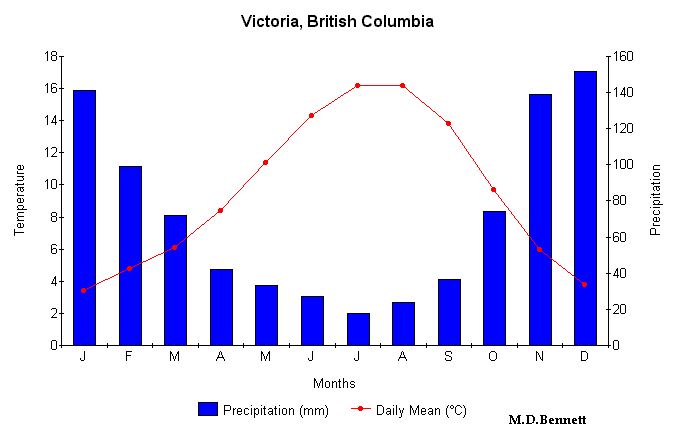
Victoria (Canada, North America)
http://i122.photobucket.com/albums/o269/wendy3212/Victoria.gif
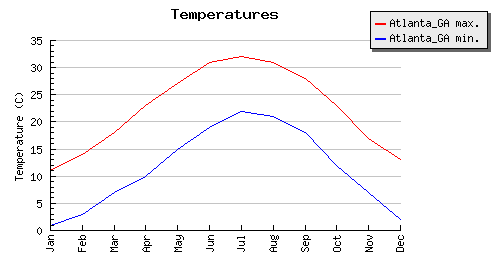
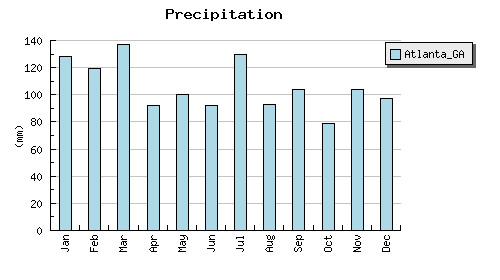
Atlanta (USA, North America)
http://i122.photobucket.com/albums/o269/wendy3212/atlanta_temp.png
http://i122.photobucket.com/albums/o269/wendy3212/atlanta_prep.png
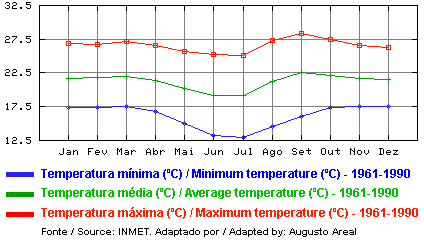
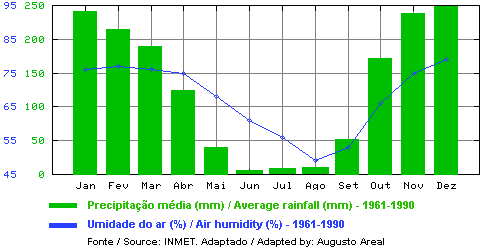
Brazilia (Brazil, South America)
http://i122.photobucket.com/albums/o269/wendy3212/brazilia_temp.gif
http://i122.photobucket.com/albums/o269/wendy3212/basilia_prep.gif
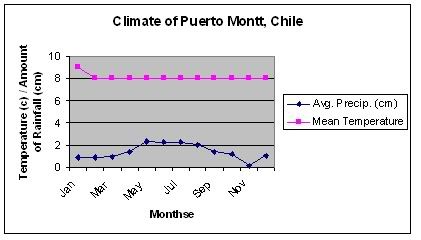
Puerto Montt (Chile, South America)
http://i122.photobucket.com/albums/o269/wendy3212/puerto_montt.jpg
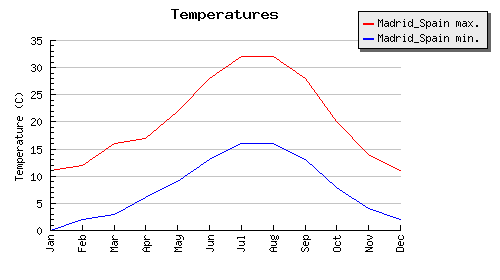
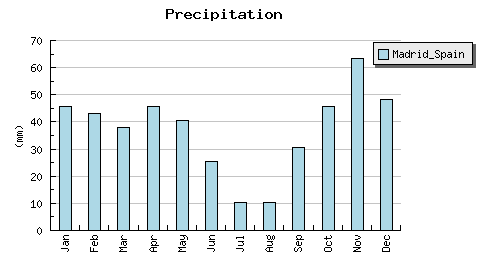
Madrid (Spain, Europe)
http://i122.photobucket.com/albums/o269/wendy3212/madrid_temp.png
http://i122.photobucket.com/albums/o269/wendy3212/madrid_prep.png
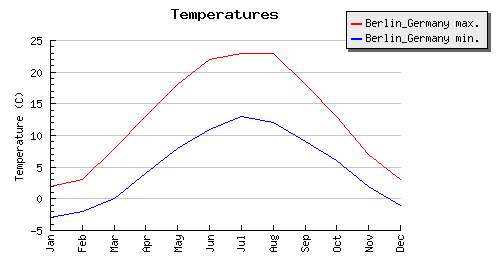
Berlin (German, Europe)
http://i122.photobucket.com/albums/o269/wendy3212/berlin_temp.png
http://i122.photobucket.com/albums/o269/wendy3212/brazilia_temp.gif
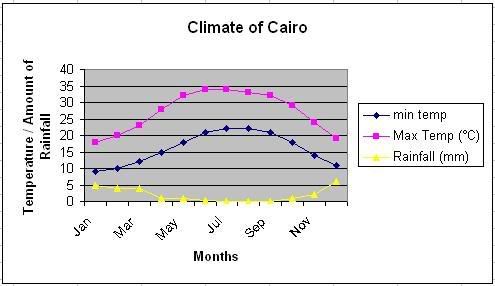
Cairo (Egypt, Africa)
http://i122.photobucket.com/albums/o269/wendy3212/Cairo.jpg
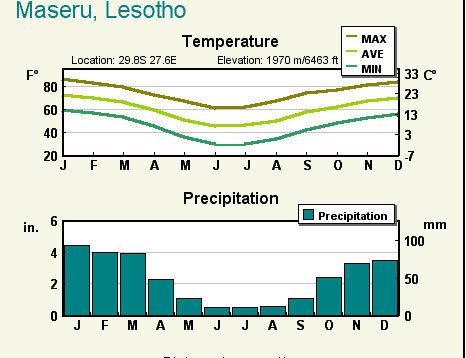
Maseru (Lesotho, Africa)
http://i122.photobucket.com/albums/o269/wendy3212/lesotho.jpg
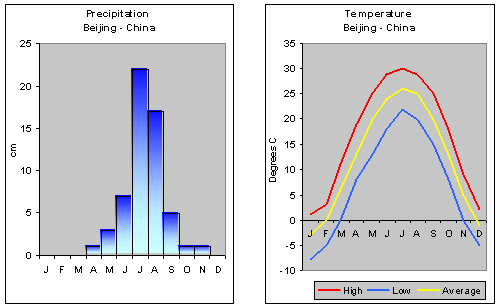
Beijing (China, Asia)
http://i122.photobucket.com/albums/o269/wendy3212/china.gif
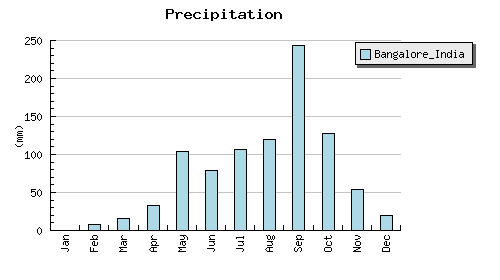
Bangalore (India, Asia)
http://upload.wikimedia.org/wikipedia/commons/f/f6/Bangalore_raintemp.png
Some things I noticed were that cities on the edge, near the ocean, have less range in temperatures, while cities inland have more range in temperatures. Also, cities in the southern hemisphere have completely opposite graphs than the ones in the northern hemisphere, due to the fact that their summer is in December and their winter is in July.
Google Earth Geographical Features
To download the whole document (with the pictures):
http://www.wikiupload.com/download_page.php?id=149240
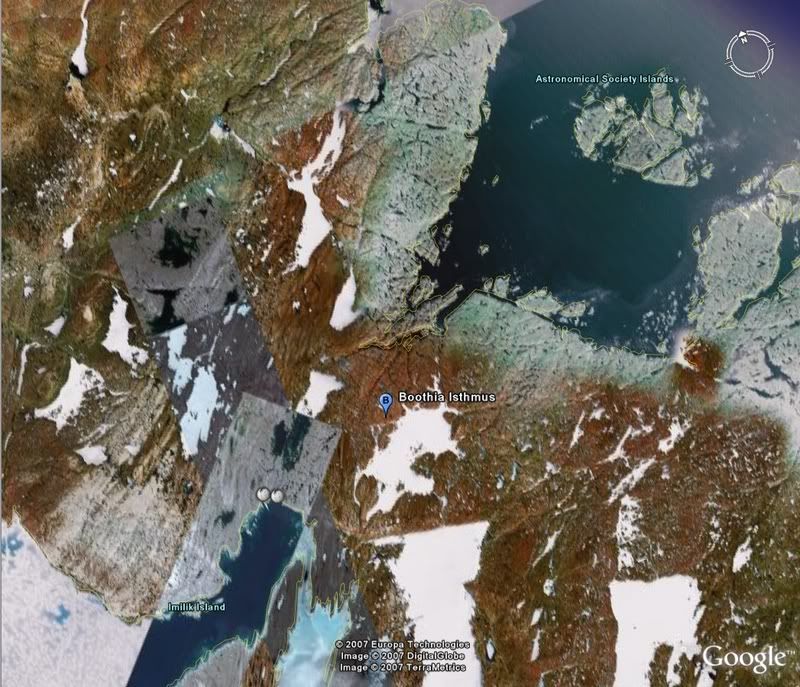
Isthmus
A narrow strip of land connecting two larger land areas
http://i122.photobucket.com/albums/o269/wendy3212/isthmus.jpg
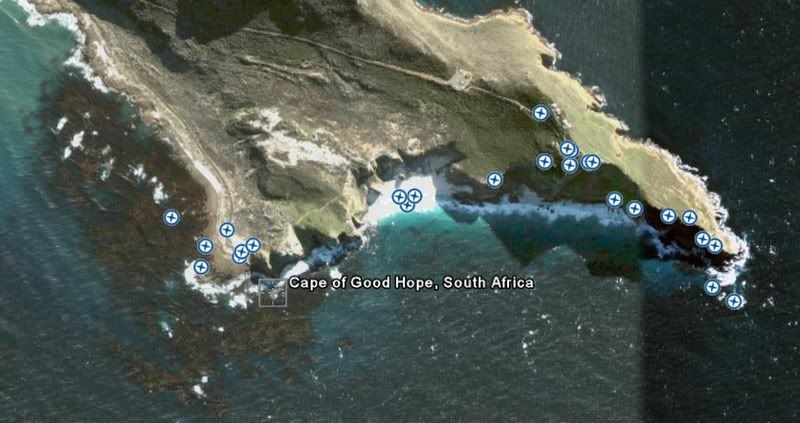
Cape
a pont or extension of land jutting out into water as a peninsula or as a projecting point
http://i122.photobucket.com/albums/o269/wendy3212/cape.jpg
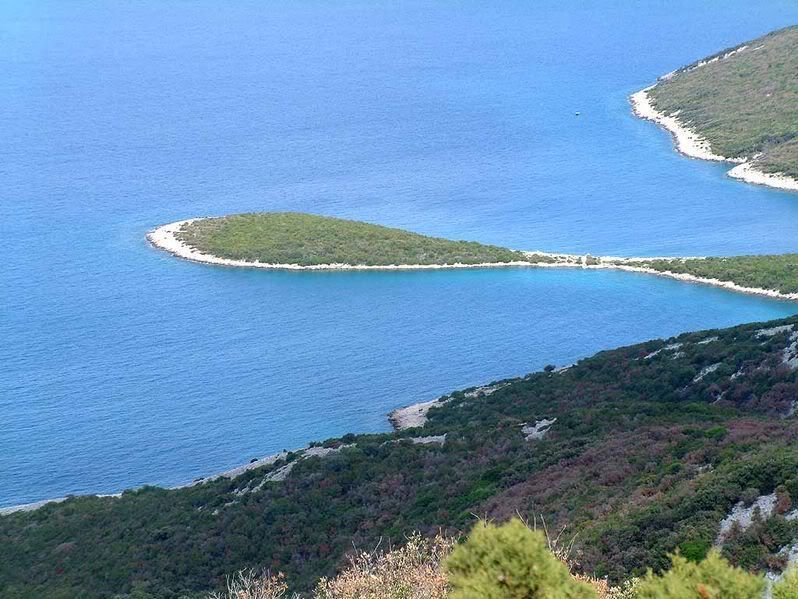
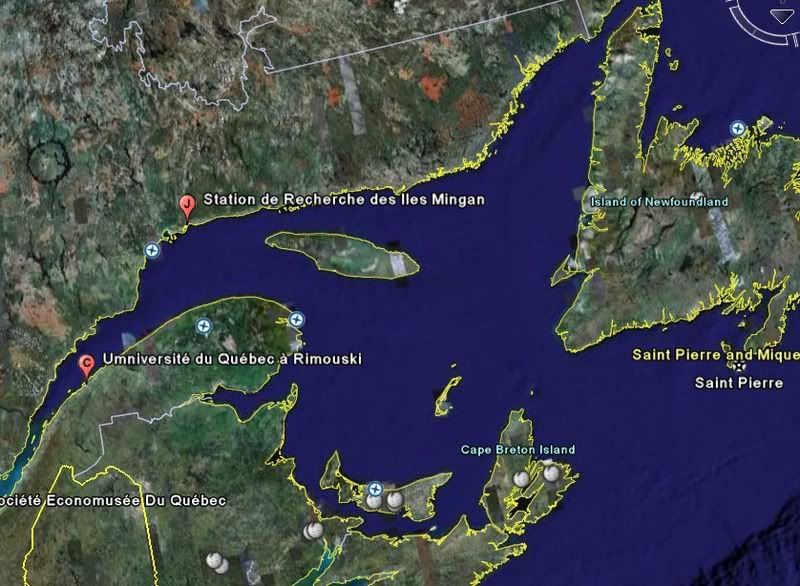
a portion of land nearly surrounded by water and connected with a larger body by an isthmus;
a piece of land jutting out into the water whether with or without a well-defined isthmus
River
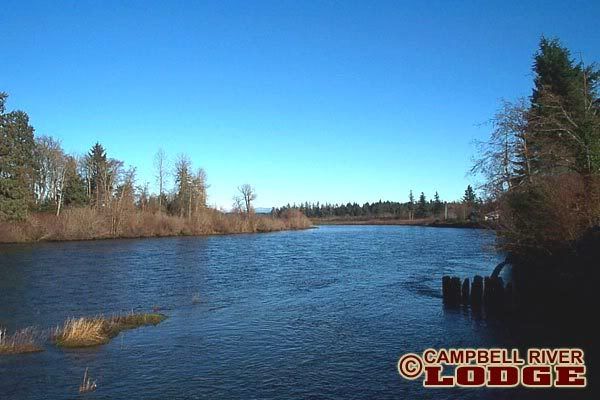
A natural waterway
http://i122.photobucket.com/albums/o269/wendy3212/river.jpg
Sea
a large expanse of
http://i122.photobucket.com/albums/o269/wendy3212/sea.jpg
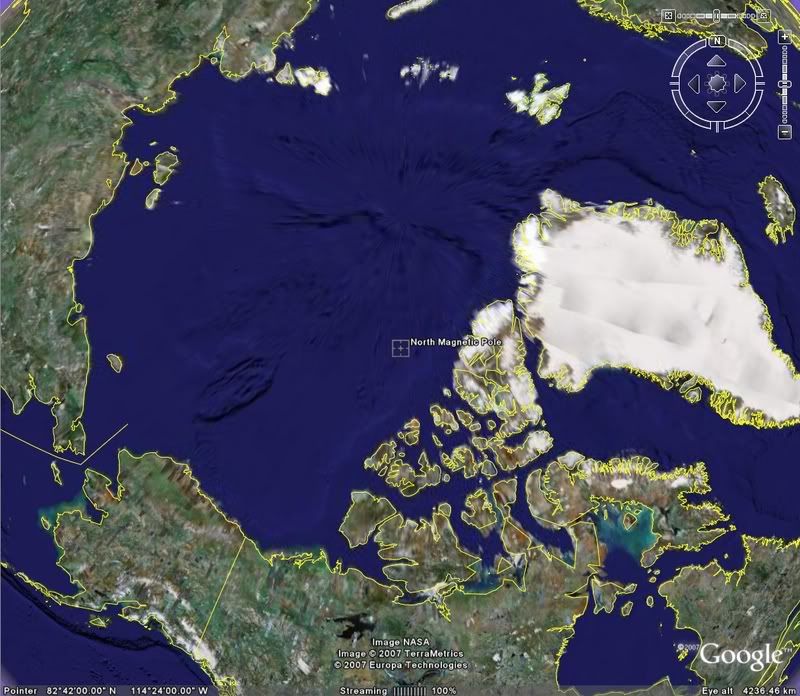
Ocean
the whole body of salt water that covers nearly three fourths of the surface of the earth
http://i122.photobucket.com/albums/o269/wendy3212/ocean.jpg
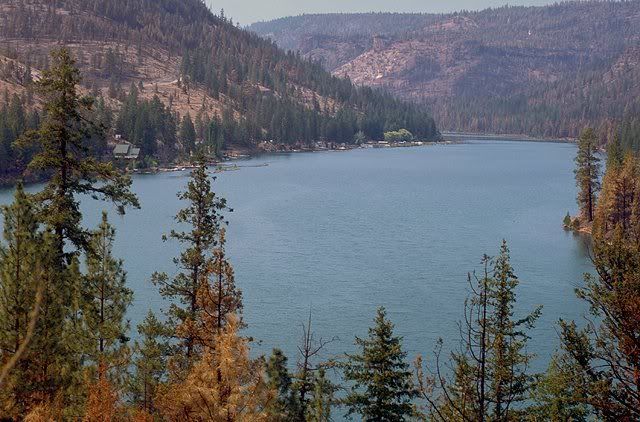
Lake
a body of water or other liquid of considerable size contained on a body of land.
http://i122.photobucket.com/albums/o269/wendy3212/lake.jpg
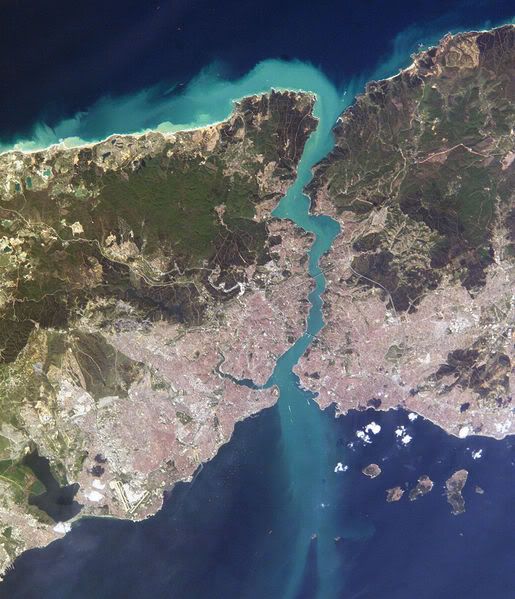
Straight
a narrow passage of water connecting two large bodies of water.
http://i122.photobucket.com/albums/o269/wendy3212/straight.jpg
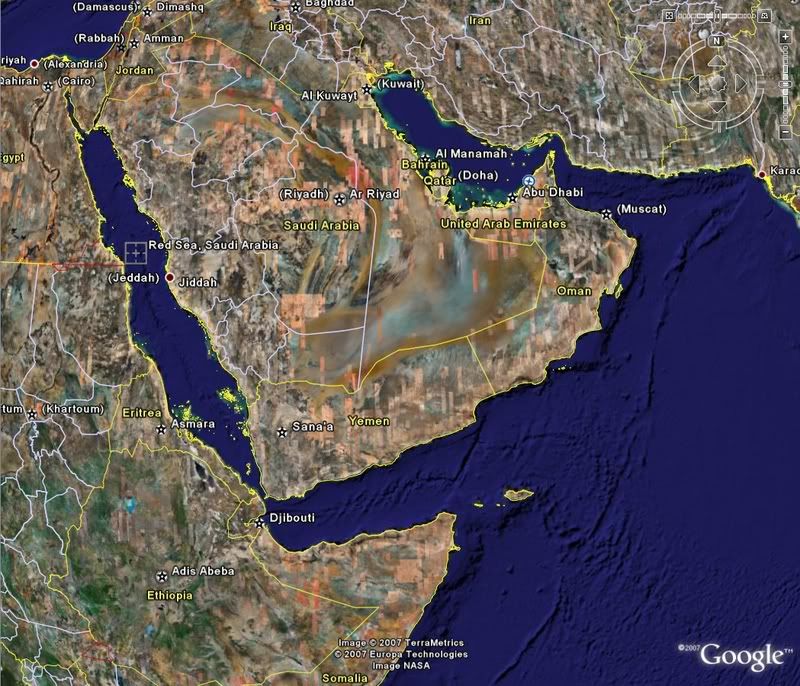
Gulf
A gulf is a part of the ocean (or sea) that is partly surrounded by land (it is usually larger than a bay).
http://i122.photobucket.com/albums/o269/wendy3212/gulf.jpg
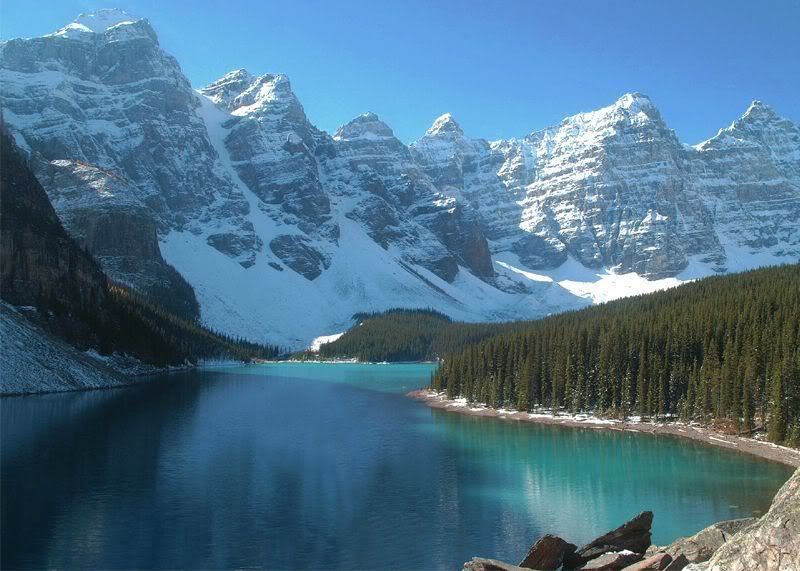
Mountain Range
group of
http://i122.photobucket.com/albums/o269/wendy3212/mountainrange.jpg
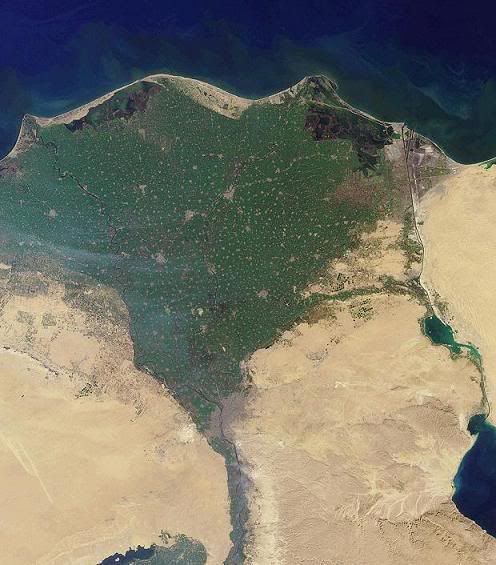
Delta
low, watery land formed at the mouth of a river. It is formed from the silt, sand and small rocks that flow downstream in the river and are deposited in the delta. A delta is often (but not always) shaped like a triangle.
http://i122.photobucket.com/albums/o269/wendy3212/delta.jpg
Deep sea trench
hemispheric-scale long but narrow topographic depressions of the sea floor / the deepest parts of the ocean floor.
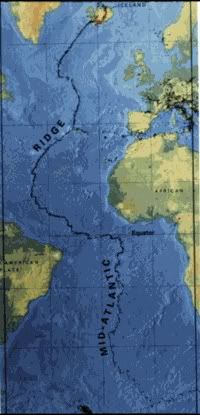
Mid Atlantic ridge
is an underwater
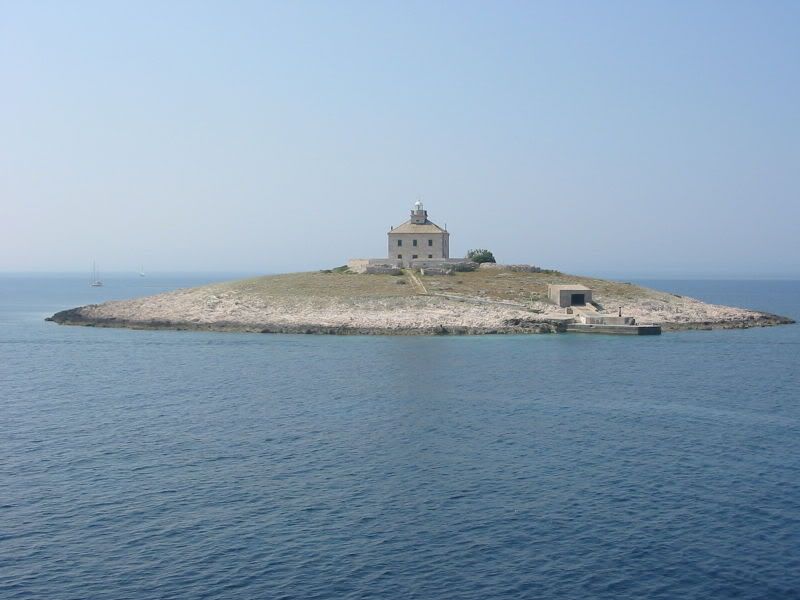
a piece of land that is surrounded by water.
http://i122.photobucket.com/albums/o269/wendy3212/island.jpg
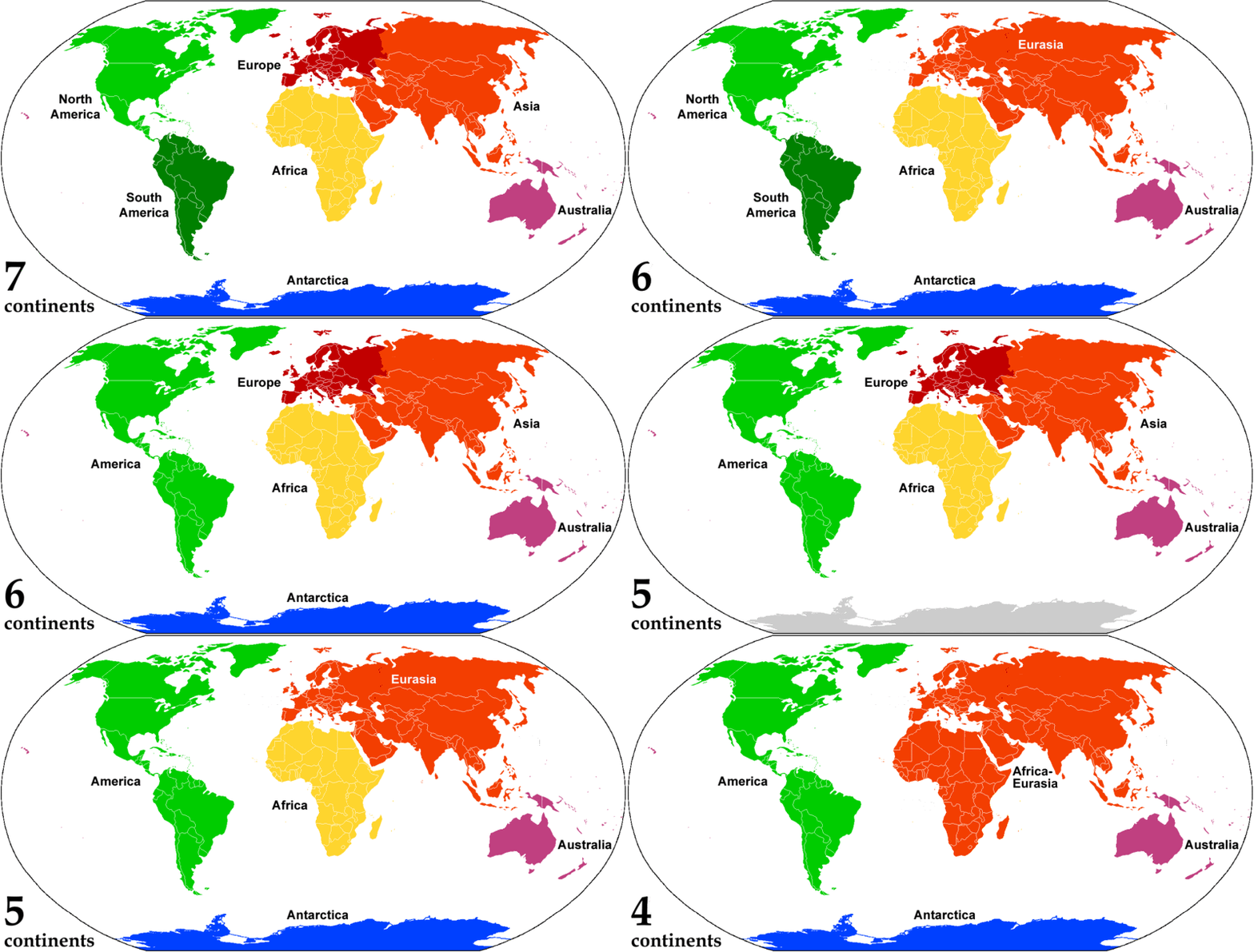
Continent
one of several large landmasses on Earth.
http://i122.photobucket.com/albums/o269/wendy3212/continents.gif
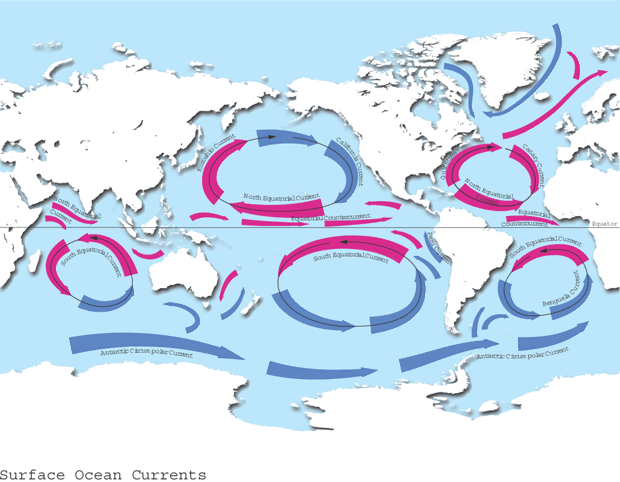
Ocean Current
continuous, directed movement of ocean water that flows in one of the Earth's oceans.
http://i122.photobucket.com/albums/o269/wendy3212/current.gif
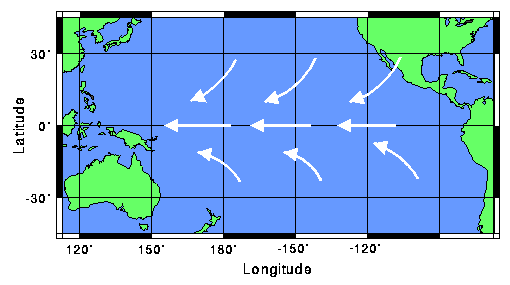
Trade winds
a pattern of
http://i122.photobucket.com/albums/o269/wendy3212/tradewinds.gif
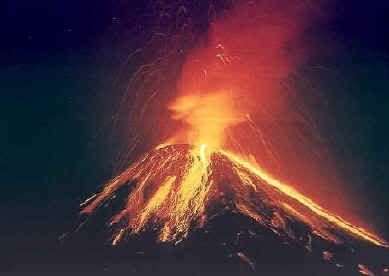
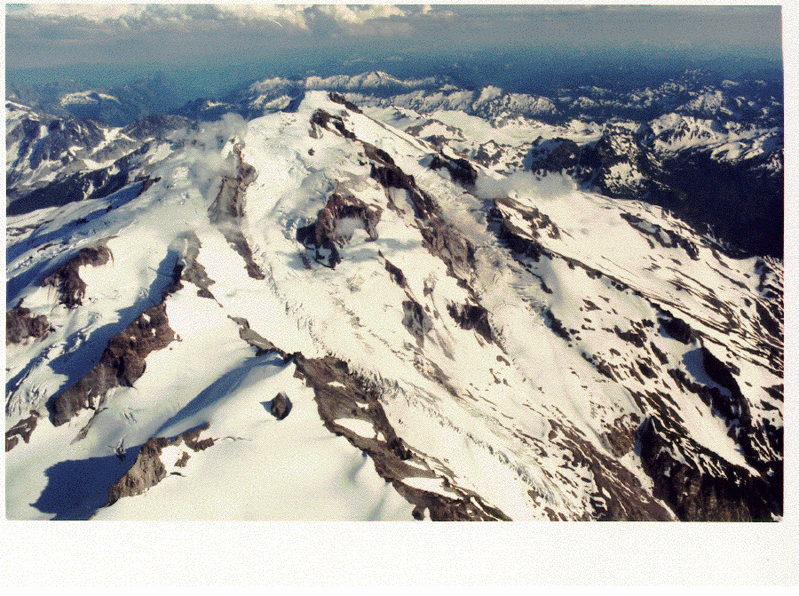
Volcano
a mountainous vent in the Earth's crust. When a volcano erupts, it spews out lava, ashes, and hot gases from deep inside the Earth.
http://i122.photobucket.com/albums/o269/wendy3212/volcano.jpg
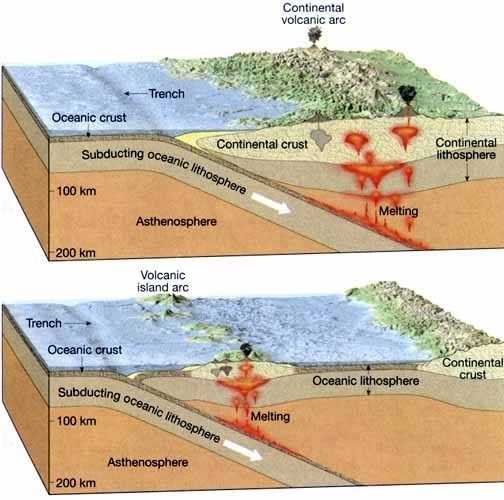
Tectonic plate
a massive, irregularly shaped slab of solid rock, generally composed of both continental and oceanic lithosphere
http://i122.photobucket.com/albums/o269/wendy3212/tectonicplates.gif
Glacier
a large, slow moving river of ice,
http://i122.photobucket.com/albums/o269/wendy3212/glacier.gif
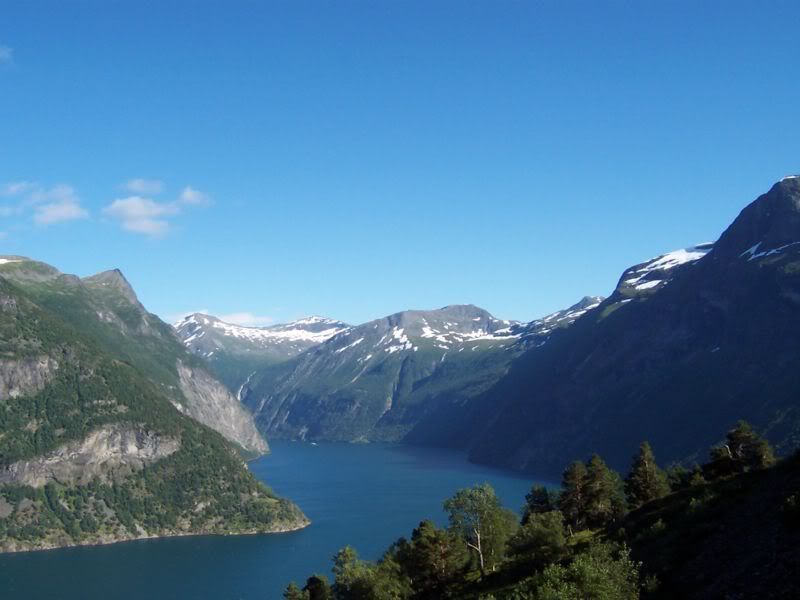
Fjord
very long inlets from the sea with high steeply sloped walled sides.
http://i122.photobucket.com/albums/o269/wendy3212/fiord.jpg
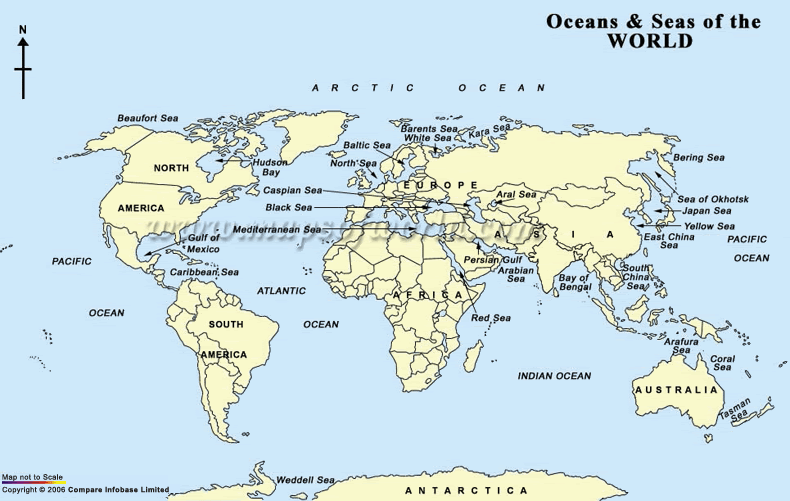
Locate and label all of the world’s seas and oceans.
http://i122.photobucket.com/albums/o269/wendy3212/oceansseas.gif
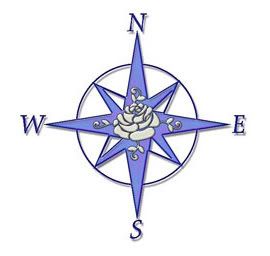
Compass Rose
a figure displaying the orientation of the cardinal directions
http://i122.photobucket.com/albums/o269/wendy3212/compass.jpg
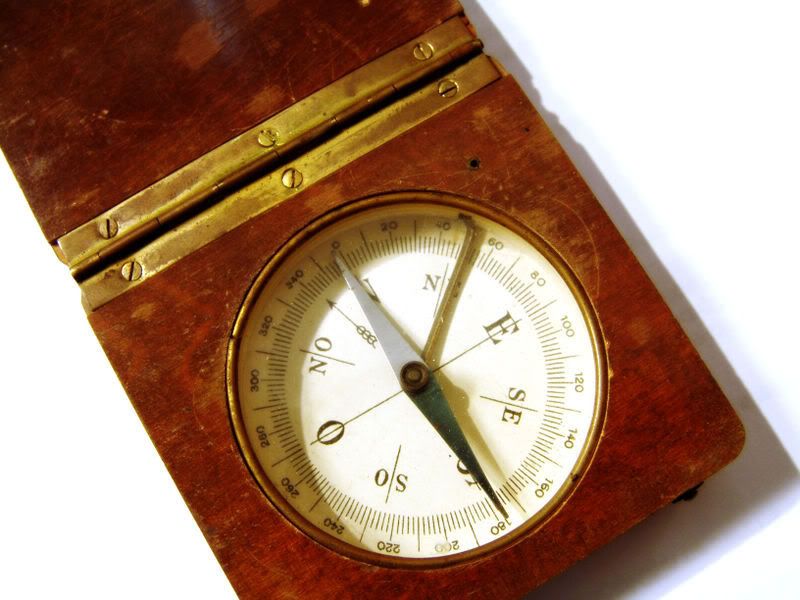
Magnetic compass
a navigational instrument for finding directions on the earth. It consists of a magnetized pointer free to align itself accurately with Earth's Magnetic Field.
http://i122.photobucket.com/albums/o269/wendy3212/compass2.jpg
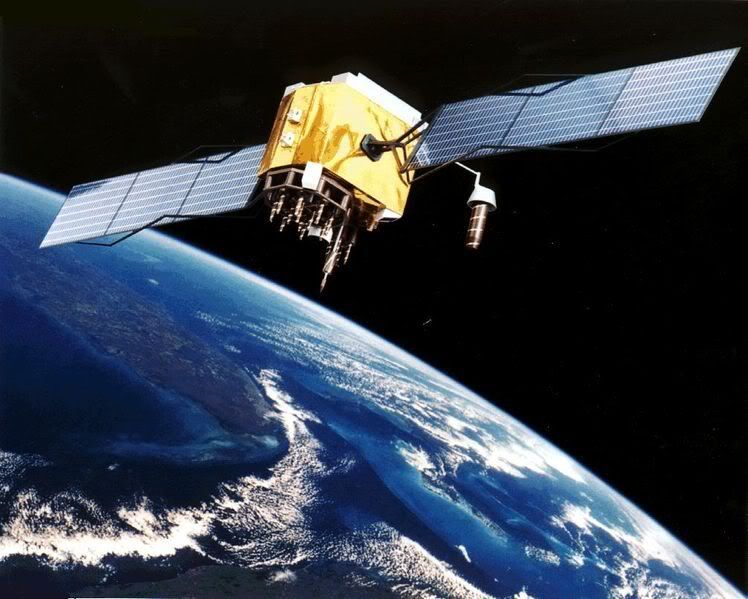
Global positioning system
the only fully functional Global Navigation Satellite System (GNSS). Utilizing a constellation of at least 24 medium Earth orbit satellites that transmit precise radio signals, the system enables a GPS receiver to determine its location, speed and direction.
http://i122.photobucket.com/albums/o269/wendy3212/globalpositioning.jpg
Pirates of the Caribbean: Dead Man's Chest Notes
Sunday, May 06, 2007Plausible
There may have been sword fights
There would be pirates around that time
Parents are hunted by the british navy
Some captains/leutenients may have been demoted if they aid a pirate
Some evil government official might use that for his own facinations
Impossible
There can't be people walking around with octopus's heads
A ship can't sink under the ocean and still come back up
The Kraken is not real
People can't have heads of octopuses and walk around under the ocean
There is no compass that points to your heart's desire
Pirates of the Caribbean: Curse of the Black Pearl Notes
Plausible
There were pirates that were chased after by the british navy
jail bars may have been made by half-barrow wrought iron steel
some aztec gold might have been hidden by pirates
there may have been an adventure similar to this story, but without the fantasy
there may be an island in the middle of the ocean with rum buried under
Impossible
the curse of the aztec gold wasnt possible, in my standards
people cant be immortal
skeletons don't walk around themselves
people can't live after a sword cuts them a hundred times
skeletons can't walk on their own accord under the ocean
skeleton hands can't scramble around, looking for its forearm
Chapter 10: Exploration and Expansion
Thursday, April 26, 2007Section 1: Voyages of Exploration
Locate:
East Indies: where Jamaica is now, in the Caribbean Sea
West Indies: where Indonesia and Malaysia are now: in between Indian Ocean and Pacific Ocean
Line of Demarcation: it goes through the Atlantic Ocean and slices Greenland in half
Identify:
Prince Henry the Navigator: a Prince who encouraged the early Portuguese explorations
Bartholomeu Dias: a person who rounded the southern tip of Africa and named it Cape of Storms
Christopher Columbus: a capable sea captain from Genoa who discovered North and South America
Treaty of Tordesillas: The treaty that drew a Line of Demarcation that ran north and south about 1,100 miles
Amerigo Vespucci: an Italian who represented the Medici bank in Spain, undertook several voyages for Spain
Ferdinand Magellan: a captain who led a Spanish sailing expedition that entered the vast Pacific Ocean
Define:
Latitude: lines that showed distance north and south of the equator
Astrolabe: an instrument that measured the positions of stars
Longitude : lines that show the distance east or west of a certain point
List three technical advances that helped make the voyages of exploration possible
The astrolabe that measured the positions of the stars
Sailing vessels that were suited to ocean voyages: Portugese developed the three-masted caravel
Maps were more accurate due to the reports of Marco Polo
Why were the discoveries of Ponce de Leon and Balboa important to Spain?
Ponce de Leon discovered Florida and Vasco de Balboa pushed through the steaming jungles of Central America and sighted a vast body of water
What did Magellan set out to find?
Magellan set out to find a western sea route to Asia
What countries sent explorers to seek a northwest passage to Asia?
Spain and Portugal
What areas were explored as a result?
Africa, North America, South America, Central America
Section 2: Profitable Trade with the East
Locate:
Goa: in South-West India
Malacca: on top of the East Indies
Spice Islands: East of the East Indies, north of Australia
Macao: under Canton
Canton: my birthplace!!!! :D:D:D
Nagasaki: south Japan: the place where USA dropped the 2nd atom bomb
Identify:
Affonso de Albuquerque: governor of the Portuguese trading posts
What were the main products Europeans wanted from Asia?Spices, silk, cinnamon, pepper, cloves, porcelain, satin, and nutmeg.
What nations competed for trading rights in Asia?
Dutch, Portugal, Netherlands, England, Portugal, France
What attitude did the rulers of China and Japan have toward European traders?
Regarded the European traders as barbarians.
What policy did China and Japan eventually follow toward foreigners?
They eventually expelled all foreigners.
Chapter 9: The Scientific Revolution and the Enlightenment
Tuesday, April 24, 2007Section One: New Directions in Science
Identify: Nicolaus Copernicus – a Polish mathematician and astronomer
Tycho Brahe – Danish astronomer from the later 1500’s
Johannes Kepler – an assistant to Tycho Brahe
Galileo Galilei – an Italian astronomer who used a new magnifying instrument, the telescope
Define: scientific method – using experiments and observations , interpreting the results, and using logic from principles to prove a scientific theory
Law of gravity – three laws developed by Isaac Newton
Why was mathematics important to the scientific method?
It is used to prove scientific theories rather than using logic.
Give two reasons why scholars challenged the ideas of Copernicus
He proved Ptolemy wrong, and the whole of human knowledge would become uncertain if he was right.
What did Galileo’s observations through the telescope reveal?
He revealed that the moon had an imperfect surface with mountains and spots.
How did Newton think the universe worked?
Newton saw the universe as a huge, well-regulated machine that worked according to definite laws of nature, such as the law of gravity.
Describe one way each of the following contributed to medical knowledge:
Paracelsus produced distilled liquid used as medicine
Andreas Vesalius prevented infection by pouring boiling oil on wounds
Ambrose Pare developed technique for stitching wounds
William Harvey an Englishman who studied the circulation of the blood through arteries and veins.
Section 2: Enlightenment Thinkers
Identify:
Thomas Hobbes – An English Philosopher who thought that if people were left alone, they would constantly fight among themselves.
John Locke – English Philosopher who had a more optimistic view of human nature
Montesquieu – worked for government, born to a noble family
Voltaire – French – spent life arguing about religious toleration and freedom of thought.
Jean Jacques Rousseau – Swiss philosophe who believed that humans were good
Define:
Philosophe – writers and thinkers who expanded on Locke’s idea of natural rights
Physiorat – a group of philosophes who searched for the natural laws to explain economics.
Free market – a market in which all goods can be bought and sold without restraint
What kind of government did Hobbes support?
A government with a established order and society and one where the ruler has absolute power.
According to Locke, when did people have a right to rebel?
When the ruler is a tyrant, or when he or she broke the contract.
Describe three concerns of the philosophes.
They argued about religious toleration, condemned wars or religion, and strict censorship.
Why did Montesquieu support a government system with checks and balances?
So that no branch of government could dominate another.
Who did Voltaire think should govern?
Voltaire thought that it should be a monarch who studied the science of government and protected the basic rights of people.
What did Rousseau mean by the “general will?”
The decision of the majority.
Section Three: Impact of the Enlightenment
Identify:
Denis Diderot : Philosophe from Paris, and one of the most successful spokesman of the enlightenment.
Joseph II
Son of mother Theresa
Johann Sebastian Bach
Clavichord, Organ composer from the Baroque, who died in 1750.
Wolfgang Amadeus Mozart.
Child prodigy who died at 39, played violin and piano.
Define: salon- informal gatherings that wealthy women held
What subjects did Diderot’s Encyclopedia emphasize the most?
It was devoted mostly on space, science and technology.
Describe three reforms introduced by enlightened monarchs
Banned the use of torture, equaled rights to Jews, and limited the power of the Catholic Church.
Chapter Overview:
Recalling Facts:
1. Denis Diderot: philosopher who edited the Encyclopedia.
2. John Locke: philosopher who thought society corrupted people
3. William Harvey: physician who studied the circulation of the blood.
4. Sir Isaac Newton: English mathematician who developed law of gravity
5. Nicolaus Copernicus: Polish astronomer who said the earth revolved around the sun
6. Wolfgang Amadeus Mozart: composer who began writing music before age five
7. Jean Jacques Rousseau: philosopher who thought society corrupted people
8. Galileo Galilei: astronomer who used a telescope to observe sunspots and the moons of Jupiter
Chapter Checkup
What was the basis of scientific thought during the Middle Ages?
They used logic rather than mathematical reasoning.
Why did scholars begin to questions traditional scientific views after 1200?
They conducted experiments, used mathematical reasoning and used scientific method.
How did Copernicus help develop the scientific method?
He used mathematical calculations to prove Ptolemy wrong.
How did Galileo make so many enemies?
He declared heavenly bodies were imperfect and changing.
How did they get their revenge?
They commenced the Catholic Church to forbid Galileo from defending his ideas by condemning the teachings of Copernicus
Why did Galileo give in to the Inquisition?
He did it to avoid death.
How did Newton’s work help change people’s view of the universe?
He saw the universe as a huge, well-regulated machine that worked according to definite laws of nature, such as the law of gravity.
What other effects did his work have?
Navigators and mapmakers used his mathematics to make more precise charts.
How were the ideas of Hobbes and Locke similar
They agreed the purpose of government was to establish order in society.
How were they different?
Hobbes thought that humans were bad in nature that they need a powerful ruler. Locke had more optimistic views of human nature.
What social and economic changes did the philosophes want?
They thought censorship was dangerous and encouraged education to be free ignorance, prejudice, and superstition.
Did they achieve any of their goals during the 1700s? Explain.
Their religious hopes went down but their secular music and scientific hopes went up.
Describe how each of the following helped spread Enlightenment ideas;
The Encyclopedia
Because the Encyclopedia was banned, people read the ideas of the Encyclopedia even more.
Learned societies
People influenced each other and they learnt stuff from each other. Thus, less ignorance in the society was achieved.
Salons
Women gathered around and discussed smart stuff, thus less ignorance in the society was achieved.
For Further Thought
Analyzing a Quotation
Leonardo da Vinci wrote “No human investigation can be called true science without passing through mathematical tests.”
How was this view reflected in the Scientific Revolution?
It reflects the scientific revolution because the mirror reflected it.
‘Why do you think scholars such as Newton had such confidence in mathematics?
‘Cuz GOD WILLS IT!
Relating Past to Present
List three developments of the Scientific Revolution. What have been the long-term consequences of each?
They made us smarter.
Expressing an Opinion
The philosophes were confident of human progress. They believed that life could be improved.
What events and developments of the time do you think contributed to this attitude?
Birthdayz, New Years, Easter, Holidays, Christianity, Catholicism, Hinduism….etc.
Do you think people today still believe in progress? Explain.
Yes because their crazy @_@
Applying Information
Joseph II was an enlightened monarch and an absolute ruler. Yet he could not greatly improve the lives of his people. Why do you think this was true?
Cuz he is stupid.
Developing Basic Skills
1.
Hobbes
Absolute Monarchs
Believed that people would fight among themselves constantly if left alone
Locke
Government was responsible for protecting the rights of humans, but their power should be limited
Believed people were basically reasonable and would cooperate with each other
Montesquieu
Thought that the legislature should make the laws, the executive should enforce laws, and indiciary should interpret the laws
Believed that the government could carefully balance powers equally
Voltaire
Strong, enlightened monarch
Believed that a monarch who studied the science of government would protect the basic rights of the people
Rousseau
Believed there should not be a monarch
Believed that people could make contract with each other, not with ruler
a) I think Locke’s idea was most democratic
b) I think Hobbe’s ideas were least democratic
c) Rousseau was concerned with individual rights
d) I think Locke’s idea was most like the government in Canada.
A Knight's Tale Anarchisms: Clothing
Thursday, April 19, 2007in "A Knight's Tale", Joycelyn was wearing modern dresses made of silk/linen. An example of a real renaissance dress would look like this:

There would normally be a iron corset under their dress and have lace all over.
A Knight's Tale Anarchisms
Monday, April 16, 2007there was music at the beginning of "We Will Rock You"
Joycelyn's hair was dyed with gold streaks in different parts of the movie
The London Eye and the Eiffel Tower can be seen from above
the dancing in the middle of the movie gradually turned to modern dancing with modern music
King Edward wasn't named the Black Prince until after his death
Chapter 8: The Renaissance and Reformation
Tuesday, April 10, 2007Section One: Spirit of the Renaissance
1) Lorenzzo de Medici- A skilled architect from the powerful Medici family
Francesco Petrarch- An early renaissance humanist from Florence who lived from 1304-1375.
Niccolo Machiavelli- A diplomat mat and government official from Florence dedicated to Lorenzzo de Medici.
Baldassare Castiglione- A person who wrote the Prince as a handbook which stated Italian laws.
2) How did the wealth of the Italian states encourage the spirit of the Renaissance?
In the late Renaissance the Italian merchants and economy flourished and they flourished more and more like a snowball.
3) a) What subjects were made up in the humanities? Grammar, rhetorics, poetry and history
b) According to the Renaissance what was the purpose of education? They thought it was the way to become a well-rounded individual. Only with full education could a person have a good life.
4) How did scholars try to find errors in the ancient manuscripts?
They compared copies of the same works to find mistakes, to find where the mistakes were made.
5) What advice did Machiavelli give to the rulers?
He recommended advised rulers to use a combination of cunning, diplomacy, and ruthlessness.
6) According to Castiglione, what was the ideal Renaissance person?
Someone who had broad education in many different areas, and to learn music, and be witty.
7) Name one way the Renaissance in northern Europe differs from that of Italy.
Northern Europe and Spain worshipped Christianity more.
Section Two: Art and Literature of the Renaissance
1) Identify:
Donatello- A sculptor from Italy.
Brunelleschi - an architect who rejected medieval Gothic architecture and revived classical styles1
Leonardo da Vinci- Achieved Renaissance goal and tried many things and excelled in all.
Michelangelo- Hes a musician, architect, sculptor, poet, and painter.
Raphael- Skillful painter who was influenced by both Michelangelo and Leonardo.
Jan van Eyck- An artist who liked to paint realistically.
Pieter Bruegel- Another Flemish artist who liked to paint peasants working in peasant landscapes.
Albrecht Durer- A German artist who traveled to Italy to study techniques of the Italian masters.
Boccaccio- Italian writer who contributed to Renaissance literature.
Rabelais- A French writer who fulfilled the ideal Renaissance idea.
Cervantes- A leading Renaissance writer in Spain
Shakespeare- A famous English playwright and poet.
Eramus- Dutch scholar and priest who lead Christian humanists.
Sir Thomas More- English scholar and states man who thought literature should serve Christian goals.
2) How was Donatello’s David different from Medieval sculpture?
It was free standing to be admired from all sides.
3) Describe two techniques that affected Renaissance art.
There were shadings of dark and light to add feelings of space, and there were rules of perspective to give paintings a more realistic look
4) How did artists of northern Europe differ from Italian artists?
The northern European artists were less influenced by classical styles than the contemporaries in Italy.
5) a/b) Why did Erasmus criticize the church?
He criticized the Church for emphasizing the pomp and rituals rather than the teachings of Jesus.
Section Three: Changing Patterns of Life
1) Identify: Johann Gutenburg- He invented a metal alloy which is used in the final step of painting.
2) How did the introduction of printing affect the spread of ideas?
Books were produced faster and were less expensive, and ideas spread rapidly.
3) Describe black death’s affect on farming. Farmers had to produce more profitable foods, because the demand for wheats and grains fell.
4) Give three examples of works women did outside of home: They ran their own small businesses, selling hand work, and stuff they gardened, they had central roles in governing cities, and they translated writings.
Section Four: Beginnings of the Protestant Reformation
1) Identify: Martin Luther- A German monk who sparked a movement to split the Catholic Church.
Johann Tetzel- A monk who was actively selling indulgences near the University of Wittenberg.
Peace of Augsburg-The peace of Augsburg did not end disputes between Catholics and Protestants.
Protestant Reformation- reformers who broke away from the Catholic Church and were winning followers across Europe.
Section Five: Further Challenges to the Catholic Church
1) Identify: Ulrich Zwingli, John Calvin, Huguenot, John Knox, Anabaptist, Book of Common Prayer, Ignatius Loyola, Jesuits, Index
Ulrich Zwingli – a priest and admirer of Erasmus who taught in the Swiss city of Zurich
John Calvin – the person who led one of the best-organized Protestant movements in the Swiss cities of Basel and Geneva.
Huguenot – French Calvinists who were powerful in southern France.
John Knox – a person who took the new faith to Scotland.
Anabaptist – a group of people who argued that infants could not be baptized as members of a church because they were too young to understand the Christian faith.
Book of Common Prayer – the book that Protestant bishops issued which outlined the official rituals and prayers for the Anglican services
Ignatius Loyola – a person who formed the society of Jesus, a group of dedicated missionaries
Jesuits – Loyola's followers who swore absolute obiedience to the pope
Index - a list of forbidden books published by the Catholic CHurch
2) Define: predestination
the idea that god has chosen who will be saved and who will be condemned.
3) a) Why did Calvin believe people should lead good lives?
he said people should live good lives to show that God has chosen them for salvation
b) To what parts of Europe did Calvinism spread?
It spread to the Netherlands ,France, Scotland, and England.
4) a) Why did Henry VIII of England quarrel with the pope?
Henry VIII had many wives, which the CHurch was against.
b) What religious policy did Elizabeth I follow?
Elizabeth I enforced reforms that Protestant CHurch and the Catholic Church could accept.
5) Describe one action of the Council of Trent
THe council of Trent responded to Protestant attacks.
6) a) By 1600, what parts of Europe were mainly Protestant?
England, Ireland, Norway, Sweden, and Denmark
b) What areas remained mainly Catholic?
Spain, France, Italy, Bohemia, Austria, Hungary, and Poland
The Knight's Tale Mistakes
Wednesday, April 04, 2007Clothing
Jocelyn wore clothing with modern style and material. Women’s clothes in Paris during the middle ages were usually ankle-length, with wide sleeves to the elbow, and were slipped on over the head. There were wide bands of bright colours edging the sleeves, hem, and collar line. There may also be woven bands of wool sewn on, or large areas with lots of embroidery.
Jocelyn wore dresses that were more like evening gowns that snugly fit her bodyline. They looked like they were made of silk, which was hard to get during the middle ages.





Chapter 5 Building National Monarchies
Sunday, March 04, 2007Recalling Facts
Indicate whether the following events occured in England, France, the Holy Roman Empire, or Spain.
1. King John signed the Magna Carta.
England
2. Crusading knights fought to expel Muslims.
Spain
3. Philip IV called the first Estate General.
France
4. The jury system developed.
England
5. Rulers clashed with the pope over lay investiture.
France
6. Rulers used the Inquisition to enfore religious unity.
France
7. A strong bureaucracy supported the king's power.
France??
8. Rulers tried to govern both Germany and Italy.
The Holy Empire
Chapter Checkup
1. Describe how each of the following affected royal power in England:
a. the exchequer
This added to the king's authority as well as income into the central treasury.<--added power
b. royal courts
Henry I expanded the power of royal courts by sending circuit judges into the countryside <--added power
c. common law
The decisions of royal courts were recorded, and this became common law. So what the royal court says goes. <--added power
d. the Magna Carta.
John had to sign a charter that spelled out the barons' rights. <--took away power
2. a. Why were William the Conqueror's heirs able to unite England more easity then French rulers were able to unite France?
France suffered from the Viking invasions, and they had to take land back instead of just reuniting it.
b. How did French rulers increase royal power?
They seized the lands of nobles who had sided with the heretics, and defeated landholders.
3. a. Why was there conflict between the Church and Holy Roman emperors in the 1000s and the 1100s?
When Pope Gregory VII banned the lay investiture, the Holy Roman Emperor was angry, and this lead to conflicts.
b. How did the conflict affect the political developments in Germany and Italy?
Henry returned to Germany and continued to appoint bishops. When he was excommunicated a second time, he marched on Rome and drove Gregory into exile.
4. a. Describe the Church at the height of its power under Innocent III.
Pope Innocent III came close to making the Church supreme in both spiritual and wordly affairs. He successfully asserted his authority over secular rulers.
b. What types of attacks were made on the Church in the 1300s and 1400s?
In 1378, the Church suffered a humiliatio nwhen two competing popes were elected. The crisis lasted until 1417, and the Italian pope was elected. In France, kings assumed the right to tax the clergy. In England, Edward I declared that his country was no longer a papal fief. In the later 1300s, reformers attacked the Church for its wealth and the wordly concerns of the clergy.
5. a. Describe the reconquest of Spain.
It was a crusade that Spanish knights launched in Spain to expel the Muslims.
b. How did the unification of Spain affect Muslim and Jewish residences?
They forced Jews and Muslims to convert to Christianity Others were expelled. The Jews and Muslims who converted were brought before the Inquisition, and their property was seized. If they were condemned as heretics, they were usually burned at the stake.
6. a. How did the Hundred Years' War affect royal power in France?
The French people emerged with a growing sense of national pride and developed a strong loyalty to their king.
b. How did it affect royal power in England?
The king gained more power, including the power to raise taxes so that he could keep a standing army rather than depend on his vassals.
For Further Thought
1. Comparing
a. How did the relationship between the monarch and the Church differ in England, France, Spain, and the Holy Roman Empire?
Spain and the Holy Roman Empire mostly depended on the Church while England and France often tried to expel the Church.
b. How would you explain the differences?
Spain and the Holy Roman Empire allied with the Church, England and France were enemies of the Church.
2. Expressing an Opinion
a. Descirbe the investiture controvery.
Pope Gregory VII worked to end the sale of Church offices and banned the practice of lay investiture. Because of this, Henry IV got angry and refused to obey the pope's order.
b. Do you think Gregory VII should have forgiven Henry IV and readmitted him to the Church? Explain.
No, I don't think he should have. I think he should just leave him out in the snow until he dies.
3. Analyzing a Quotaiton
An English soldier who saw Joan of Arc burned at the stake exclaimed: "We are lost; we have burned a saint." How did the death of Joan of Arc help the French in the Hundred Years' War?
It helped them get revenge for Joan of Arc.
4. Applying Information
New technology often affects the outcome of battles.
a. Explain how this was true during the Hundred Years' War.
The long-bows allowed the soldiers to shoot accurately, and the cannons blasted through walls.
b. What new technology had affected the warfare in the early Middle Ages?
They created mirrors, wondows, and clocks.
c. Do you think the technological developments of the early Middle Ages were more imporant than those of the late Middle Ages? Explain.
I think they were both important. To tell the time, you need a clock. To conquer a land, you need weapons. If you were not able to tell time as to when you wanted to blast the cannon, some people might arrive late and therefore it would have been a failure.
Developing Basic Skills
1. Map Reading
Study the map on page 90. Then answer the following questions:
a. What information is shown on the map?
Land that is held by France in 1337, England in 1337, areas controled by England in 1429, Boundary of France in 1453, and battle sites.
b. What land did English kings hold in France in 1429?
northern france, area around Bordeaux
c. How did these holdings change between 1429 and 1453?
France regained it all back
d. How did these changes probably affect royal power in France?
The people became more loyal to the king.
2. Using a primary Source
Reread the exceprts from the Magna Carta on page 80. Then answer the following questions:
a. What type of document is it?
It is a contract.
b. What does the document say about the king's right to tax?
It is restricted to the degree that he should council the common council first.
c. What rights does the Magna Carta protect?
Taxes of his people.
e. What do you think the main concerns of the English barons?
I think it is the taxes and the rights of the people.
3. Making a Review Chart
Make a chart with two columns and five rows. Title the columns Early Middle Agese and Late Middle Ages. Title the rows Government, Law, Warfare, Economy, and Social Classes. use what you learned about the Middle Ages in Chapter 3, 4, and 5 to complete the chart. Then answer the following questions:
a. How did government change during the Middle Ages?
First, it started with Feudalism. Then, as trade came in, merchants started getting richer. Feudalism twisted, and then collapsed. Instead, towards the end of the middle ages, even peasants had rights.
b. How did these changes affect law?
Law was that everyone has rights to do what they want and the right to protect themselves in a trial.
c. What changes occurred in warfare?
First, there were no conflicts between the Church and the feudal lords at all. Towards the end of the Middle Ages, there were huge wars involving France, England, Spain, and the Holy Roman Empire with the Church.
d. How did changing economic conditions influence socials classes in the late Middle Ages?
Merchants became much wealthier, the feudal lords lost power, peasants also became a little wealthier.
Chapter 5 Section 4 Decine of Medieval Society
1. Locate: Avignon, Aquitaine, Crecy, Poitiers, Orleans, Reims, Calais.
Avignon: south of France, bu in the Holy Roman Empire
Aquitaine: ??? not on map
Crecy: south of Agincourt
Poitiers: mostly in the center of France
Orleans: mostly in the center of France, more to the north though.
Reims: north western France
Calais: on the top of northern France
2. Identify: Black Death, John Wycliffe, John Huss, Hundred Years' War, Joan of Arc.
Black Death: the bubonic plague, a disease carried by fleas on rats
John Wycliffe: a teacher of theology at Oxford University who questioned the spiritual authority of the Church and encouraged his followers to translate the Bible to English.
John Huss:a person who preached against the corruption in the Church.
Hundred Years' War: A war that broke out when Henry II claimed the French throne.
Joan of Arc: an uneducated girl who lead the French forces to fight back against England.
3. Describe one effect of the Black Death in Western Europe.
It killed about a third of Europe's population.
4. What led Philip IV of France to kidnap the pope?
Philip IV wanted to tax the clergy, but the pope ordered them not to tax. Philip called the first Estates General, and when it ended, Philip kidnapped the pope.
5. Why did the Church lose prestige and power during the late Middle Ages?
There were humiliations that the Churchil suffered. For example, there was one when two competing popes wer eelected: one in Avignon, and the other in Rome.
6. How did new technology help the English in the Hundred Years' War?
There were new weapons such as the longbow and cannons. The longbow shot more accurately, and cannons could blast through walls.
7. List one result of the Hundred Years War:
a. in France
the French emerged with a growing sense of national pride. They developed a strong loyalty to their king.
b. in England
a civil war broke out.
Chapter 5 Section 3 Strong Monarchies in Spain and Scandinavia
1. Locate: Cordova, Granada, Portugal, Aragon, Castile.
Cordova:west of Seville
Granada: a large area of land south of Cordova.
Portugal: a country west of Spain.
Aragon: the western side of Spain.
Castile: central Spain.
2. Identify: Ferdinand, Isabella, Margrete.
Ferdinand: a king who was heir to the kingdom of Aragon
Isabella: Queen Isabella of Castile
Margrete: a queen in denmark who was able to unite denmark, norway, and sweden.
3. Define: reconquista
Reconquista: a name that Spanish knights called their crusade to expel Muslims from northern Spain.
4.What attitude did Muslims in Spain take toward Jewish communities?
They allowed Jews to follow their own beliefs and those towns remained prosperous.
5. How did the marriage of Ferdinand and Isabella help unify Spain?
Ferdinand was the heir to the kingdom of Aragon, and Isabella was the queen of Castile, so add those lands up and u get, guess what, SPAIN!!
6. What led to frequent warfare among Scandinavian nations?
Great lords competed with kings for power. For example, in sweden, the nobles elected a king, but once they chose the king, they prevented him from acquiring further power.
Chapter 5 Section 2 The Struggle Between Popes and Emperors
1. Identify: Holy Roman Empire, Gregory VII, Concordat of Worms, Innocent III
Holy Roman Empire: Germany and northern Italy: this was made the Holy Roman Empire when the pope crowned him Emperor of the Romans.
Gregory VII: a pope who ended the sale of Church offices and banned the practice of lay investiture.
Concordat of Worms: an agreement that Church officials elected bishops and abbotts.
Innocent III: A pope who came close to making the CHurch supreme in both spiritual and worldly affairs.
2. Define: lay investiture
lay infestiture: a ring or a staff which the emperor gave to a new bishop as a symbol of his office
3. What ties did Otto I have with the Church?
He appointed educated clergy as advisors and supported the Church's missionary work.
4.Why did Gregory VII excommunicate Emperor Henry?
He excommunicated the emperor because the emperor refused to obey his order to ban on lay investiture.
5. What actions by Frederick I threatened the pope?
He took control of northern Italy, and the Church, which was located in central Italy, saw this as a threat.
6. Give one example of how Innocent III exercfised authority over secular rulers.
He excommunicated Henry IV.
Chapter 5 Section 1 Growth of Royal Power in England and France
1. Identify: William the Conquerer, Domesday Book, Magna Carta, Model Parliament, Hugh Capet, Estates General.
William the Conquerer: Duke of Normandy who conquered England in 1066
Domesday Book: information of a huge survey where William's men asked men every village to swear an oath. The men were called jury.
Magna Carta: A charter that barons forced John to sign which spelled out their rights.
Model of Parliament: A meeting that included the great nobles and bishops, two knights from each county, and two citizens from each town.
Hugh Capet: a Count of Paris who was elected to be king by feudal lords in 987.
Estates General: the first estate was the clergy, the second was the nobility, the third was the bourgeoisie (townspeople).<- this is the estates general.
2. Define: exchequer, grand jury, trial jury, common law, limited monarchy
exchequer: The vassals made payments into a central treasury called the exchequer.
grand jury: people who decided what cases would be brought to tral
trial jury: the people who gave verdicts on the cases
common law: the decisions of royal courts which were recorded. these principles were applied to everyone throughout england.
limited monarchy: a government in which monarch who does not have absolute power
3. How did William keep control over feudal lords in England?
He declared that everyone, peasant and lord, owed loyalty first to the king, not to another feudal lord.
4. What economic power did Parliament acquire in England?
If the king wanted to add new taxes, the Parliament would demand other rights. The parliament exercised some control over the monarchy.
5. What methods did French kings use to increase their landholdings?
French kings won back their holdings by battle, and when the Curch launched a crusade against the Algensians, the French king seized the lands of nobles who had sided with the Algensians.
6. Why did Philip IV call the Estates General?
He wanted to show that he had the support of the French people.